Implementing change in an organization is a demanding task, especially when a team struggles with a lack of transparency, communication chaos and work overload.
In this article, I present how the transformation of one team in a technology company (areas: water metering, gas industry, HVAC) unfolded and what actually worked in practice.
Thanks to the implementation of Kanban, the team significantly improved its efficiency and regained control over its work. I introduced the method in a department of around 20 people, including a manager and five team leaders responsible for smaller sub-teams, where members had similar scopes of competencies and responsibilities.
Starting point The team struggled with a lack of understanding of ongoing activities and priorities. Communication issues were present. Frequent ad hoc requests from other departments led to inefficiencies, and the team felt lost in terms of responsibilities and work planning. The volume of tasks increased the chaos, and the lack of a clearly defined action plan meant that the priority became whichever client was the most urgent at a given moment.
Goal of the change The goal was to create greater transparency and reduce delays in task delivery. The aim was to develop a consistent way of working that would clarify priorities and improve internal communication within the team.
Actions taken
Kanban training for the manager and selected leaders The first step was a short training session covering the basic elements of the Kanban method for the manager, deputies and sub-team leaders. I focused on key principles, practical use of a Kanban board and how to read and use the information it provides in daily work.
Introduction of daily meetings We introduced daily meetings as a key communication element within the team, enabling quick information sharing, identification of issues and adjustment of priorities. Early meetings helped quickly detect problems, organize priorities and respond to blocked tasks.
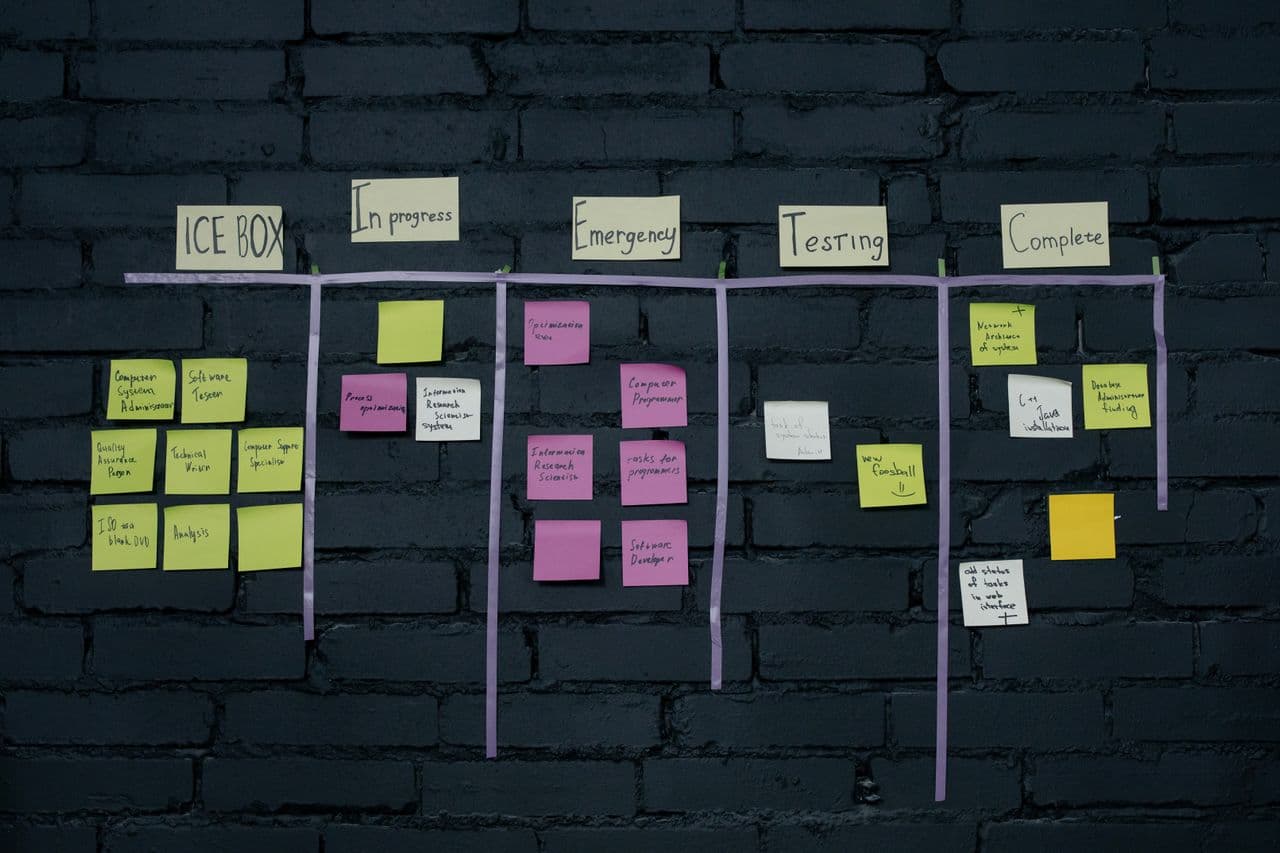
Introduction of a Kanban board The Kanban board became the central tool for managing work, visualizing current activities, delays and bottlenecks. Initially, it was a physical board with sticky notes placed on a wall. This format lasted only two days. The team decided to move to an online tool such as Microsoft Planner, which was already familiar to most of them.
Kanban training for the entire team About a week after launching the daily meetings and the board, I conducted training for the whole team. The scope was similar to the earlier sessions for leaders. The goal was to align knowledge and ensure understanding of why we work in this way.
Identification of informal change leaders The success of the change was supported by informal leaders who were enthusiastic about the new approach. These were four individuals without formal authority who saw value in the change and wanted to implement it. I worked closely with them on further improvements. Their visible engagement positively influenced the rest of the team.
Sustainment and further work
Training for sub-team leaders To support leaders, I conducted additional sessions on topics such as measuring performance, setting goals, team engagement, communication and feedback.
Manager leaving the organization During the Kanban implementation, the department manager left. Some responsibilities were transferred to team leaders. The team did not experience any negative consequences. The atmosphere improved, decision-making paths became shorter and task delays decreased. It also made previously hidden work more visible.
Daily meetings of all sub-team leaders Joint meetings of sub-team leaders became a platform for solving cross-team issues. They also supported collaboration, exchange of experience and quick access to advice from others facing similar challenges.
Introduction of review meetings The purpose of reviews was to show stakeholders what the team was working on, as previously not all tasks were visible. This applied both within the team and externally. The team also gained insight into how their work was perceived and whether they were moving in the right direction. Initially, reviews were held weekly. After about a month, the cadence changed to every two weeks.
Introduction of retrospectives This stage enabled continuous improvement through process analysis and identification of areas for improvement. Retrospectives became a regular practice supporting better ways of working rather than only reacting to problems.
Summary
The Kanban implementation I led increased transparency, improved efficiency and strengthened communication within the team. This case shows how actions such as training, daily meetings and a Kanban board can significantly change the way work is managed.
This reflects the first three months of collaboration with the team, which now independently runs retrospectives and updates the Kanban board according to its needs.
The team continues to improve its process. This is only the beginning. Kanban is an evolution, not a revolution, and the process always requires further refinement.